
2.2.3.4 Chemical Resistance
2.2.3.4 Chemical Resistance
Another factor affecting substrate materials, joining methods and joint durability is solvent and chemical exposure. There are many materials, compounds and solutions that can chemically attack a material, leading to both visual and structural changes of the substrate and the chosen joining method.
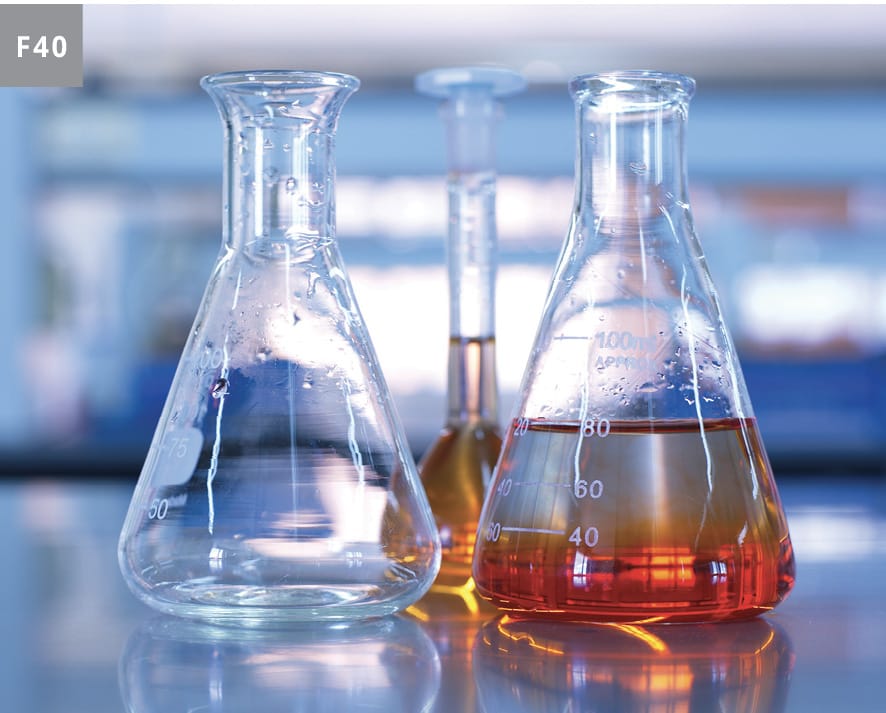
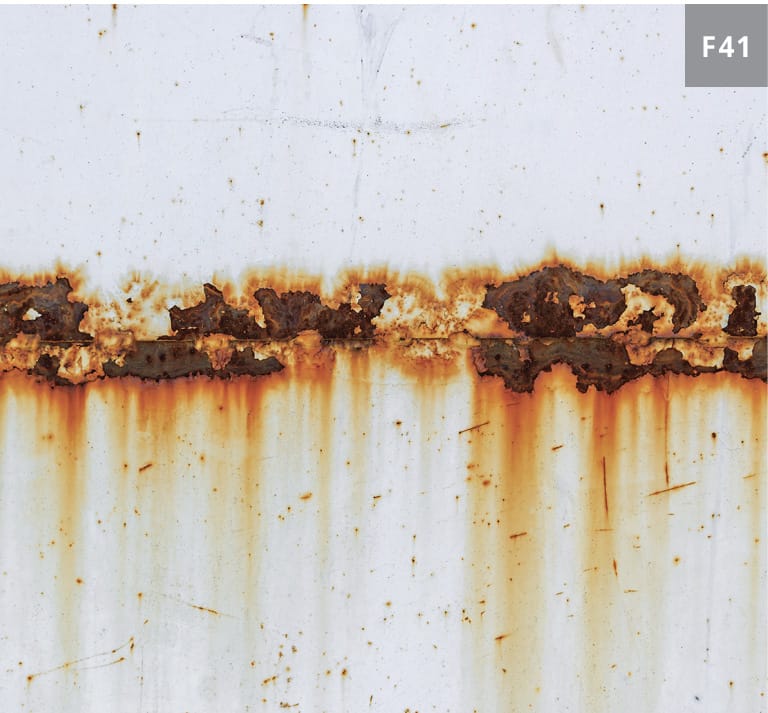
Corrosion is an attack on a material, most often metallic, that results from a chemical or electrochemical reaction with the surrounding media and environment.
Material damage and subsequent component failure due to corrosion can be eliminated by selecting the optimum material for a given application. The corrosiveness of a liquid on metals is mainly dependent on the liquid’s oxygen, chloride and/or sulphide content, temperature and pH. Chemical corrosion of a material can be combatted and counteracted at the design phase with the selection of appropriate materials, a suitable design for the product considering the operating environment, protective coatings, correct installation/maintenance and sufficient testing. Contact with corrosives can damage containers, equipment, installations and building components made from unsuitable materials. The stronger the corrosive and the higher the temperature, the greater the rate of metal corrosion. When acids attack metals, hydrogen gas is often given off. This is a flammable gas which can burn or explode if an ignition source is present. Common bases, such as sodium hydroxide and potassium hydroxide, can also attack metals like aluminium, zinc, galvanised metal and tin to produce hydrogen gas. It is important to review the relevant safety data sheet (SDS) for a particular corrosive and understand what metals or other materials, such as plastics or wood, it will attack.4
GET FREE ACCESS
TO THE DIGITAL MANUAL
Advance Your Technical Proficiency - Dive into Expert Knowledge
in Industrial Bonding.
Already have an account? Sign in here.