
2.2.3.2 Temperature Changes and Thermal Cycling
2.2.3.2 Temperature Changes and Thermal Cycling
Temperature changes can have a significant impact on materials and the selected joining method. Consideration must be given to the average operating temperature as well as the potential range of temperatures the assembly may be exposed to during its lifetime.
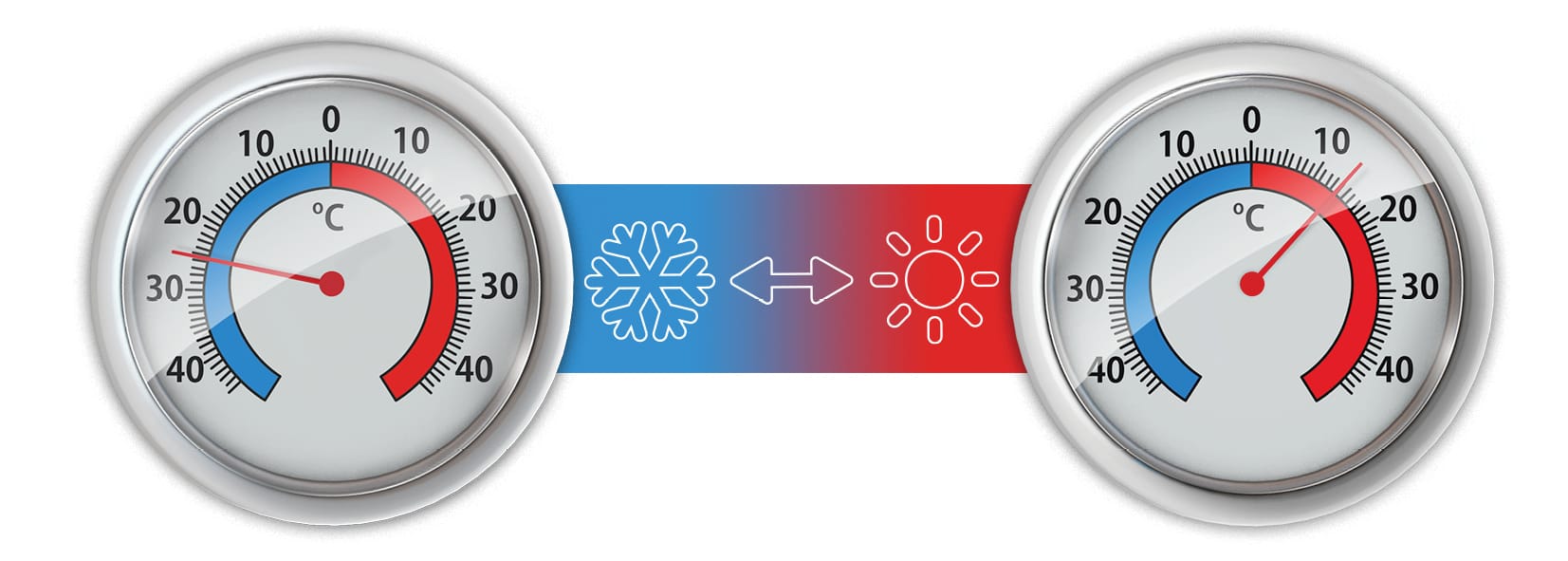
Significant impacts of elevated temperatures are the expansion, softening and relaxation of materials. When designing components, it is critical to observe the capabilities and known resistance of the substrates. For example, heating systems commonly use metallic components because of their ability to withstand high operating temperatures while offering the necessary mechanical performance. Applications that combine the need for rigidity, high strength and high temperature resistance typically limit the use of polymers, rubbers, wood and glass. Understanding how a material will perform under specific or expected conditions is vital.
GET FREE ACCESS
TO THE DIGITAL MANUAL
Advance Your Technical Proficiency - Dive into Expert Knowledge
in Industrial Bonding.

Already have an account? Sign in here.